
Most food businesses think packaging is a small decision. This decision falls under the purview of the purchasing team. The purchasing team often bases their packaging decisions on the cost per unit. This decision is made when a supplier offers a more competitive quote.
And that mindset quietly hurts brands.
Packaging plays a crucial role in more than just transporting food. It decides how food travels, how it looks when opened, how safe it feels, how professional the brand appears, and whether the business is ready to scale or not.
The debate between aluminum foil containers and plastic containers is not just about material or quality. It is about showcasing the maturity stage of the brand and whether it is building today's orders or tomorrow's reputation.
Why This Comparison Matters More Than It Seems
Over the last few years, food delivery has changed. Customers order more often. They reheat more. They judge faster. They leave reviews quicker. And they switch brands without hesitation.
At the same time, regulations are tightening. Sustainability reports are becoming normal. Marketplaces are becoming stricter. Export documentation is becoming more complex.
In this environment, packaging quietly becomes part of operations, compliance, marketing, and customer experience.
Yet most businesses still choose between aluminum and plastic the way they choose disposable materials — on price alone. That is where the problem begins.
How Aluminum Foil Containers Actually Perform in Real Operations
Aluminum containers were not designed for convenience. They were designed for control. Control over temperature. Control over hygiene. Control over food structure. There is also a need to maintain quality control during the transit process.
When food is packed in aluminum, it remains stable. Heat does not distort the container. Steam does not soften it. Oils do not weaken it. Storage does not affect it.
- Consistent Delivery Quality: A biryani packed in aluminum looks almost the same after 40 minutes of delivery as it did in the kitchen. A baked dish packed in aluminum reaches the customer without collapsing. A frozen meal stored in aluminum does not suffer texture loss.
- Proven Across Industries: That consistency is not accidental. It is the result of material properties that support professional food handling. This explains the decades-long reliance of airlines, hotel kitchens, exporters, and institutional caterers on aluminum — not because it is fashionable, but because it works.
- Temperature Control: The packing affects food temperature quite differently than how plastic would. Aluminum reflects heat, actively keeping food warm for longer during transit.
How Plastic Containers Behave Outside Ideal Conditions
Plastic containers look efficient on paper. They are light. They are cheap. They are simple to stack and to source. In controlled environments, they perform acceptably. But food delivery is not a controlled environment.
Packages are stacked. Riders brake suddenly. Bags get compressed. Food stays hot longer than expected. Customers reheat multiple times. Containers get reused. Under these conditions, plastic starts showing its limits:
- Lids loosen during transit, risking leaks and spillage.
- Shapes distort under heat, making the packaging look unprofessional when opened.
- Corners soften and lose structural integrity during delivery.
- Seals weaken when exposed to steam and high temperatures for extended periods.
- Smells linger even after the food is consumed, reducing the perceived hygiene of the packaging.
None of these issues are dramatic alone. But together, they affect perception. The customer may not complain directly. They may not ask for a refund. They simply do not reorder. That is how brands lose customers quietly.
The Safety Question That Most Brands Avoid
On paper, both aluminum and plastic are food grade. In practice, the story is more complex.
- Aluminum's Stability: Food-grade aluminum is chemically stable. When coated or laminated properly, it does not react with food. It does not degrade with repeated heating. It does not release compounds over time. It behaves predictably.
- Plastic's Real-World Risks: Plastic depends on grade, supplier discipline, handling, and reuse patterns. In ideal conditions, high-grade plastic is safe. In real conditions, containers get scratched, overheated, reused, exposed to oils, and cleaned aggressively. Over time, material integrity reduces. Micro-level degradation begins. Odors stay. Bacteria finds surface spaces.
- Growing Consumer Awareness: These are not theoretical risks anymore. Customers are more aware. Media covers microplastics. Sustainability reports highlight material safety. Regulators monitor closer. Brands that ignore this trend are not saving money — they are postponing risk.
Sustainability Is No Longer a Side Topic
Earlier, sustainability was branding. Now it is governance. Large marketplaces ask for material declarations. Export partners ask for recyclability data. Corporate buyers evaluate waste impact. Investors review ESG alignment.
- Aluminum's Advantage: Aluminum fits naturally into this system. It can be recycled repeatedly without quality loss. Scrap has value. Recycling infrastructure already exists. Lifecycle impact is measurable.
- Plastic's Challenge: Plastic struggles here. Recycling rates are low. Downcycling is common. Collection is inconsistent. A large portion ends up in landfills. Even "recyclable" plastic often never gets recycled.
- Future Compliance: Over time, this gap will only grow. Businesses that align with sustainable packaging early gain regulatory and reputational advantage.
The Cost Illusion Most Businesses Fall Into
Plastic looks cheaper. That is true at the invoice level. But businesses do not operate on invoice-level economics. They operate on system-level economics.
- When food leaks less, fewer refunds are issued.
- When food looks better on arrival, ratings improve.
- When packaging feels premium, customers trust more and reorder more.
- When reheating is safe, complaints reduce.
- When compliance is easier, operations scale faster.
Aluminum supports these outcomes. Plastic does not actively damage them, but it does not protect them either. So plastic saves money today. Aluminum saves money over time. That difference matters once volumes increase.
Packaging and Brand Positioning Are Linked
Customers may not consciously analyze packaging. But they feel it. A solid aluminum tray signals seriousness. It feels deliberate. It feels professional. It feels worth paying for.
A thin plastic box signals speed and disposability. That is not wrong. However, this type of packaging positions the brand in a distinct mental category. If a business wants to compete on trust, reliability, and long-term loyalty, packaging must support that story. Otherwise, marketing and product quality have to overcompensate — which is expensive.
Compliance, Expansion, and Future Readiness
Many food businesses start locally. Then they grow. Then they supply institutions. Then they export. Then they franchise. Then they partner. At each stage, documentation increases — material certificates, safety audits, packaging standards, waste disclosures.
- Aluminum by Default: Aluminum aligns with most of these requirements by default, reducing friction at every stage of growth.
- Plastic's Growing Restrictions: Plastic increasingly faces restrictions, taxes, thickness rules, and bans in major markets.
- Operational Insurance: Choosing aluminum early reduces friction later. It is a form of operational insurance that pays dividends as the business scales.
When Plastic Still Makes Sense
Plastic is not useless. It fits certain models well:
- Very low-margin operations where price is the primary driver.
- Short-distance deliveries where heat retention is not critical.
- Cold food packaging where thermal properties are less important.
- High-volume street food setups with fast turnover.
- Temporary pop-ups where longevity of the brand is not the goal.
In these contexts, speed and price matter more than longevity. Plastic works. But most ambitious brands do not stay in this phase forever. They outgrow it.
So, Which Should You Actually Choose?
This is not about material preference. It is about business intent.
- If the goal is to survive on thin margins and compete on price alone, plastic is logical.
- If the goal is to build a scalable, trusted, compliant, and premium-leaning brand, aluminum is strategic.
Most serious food businesses eventually shift to aluminum. Some do it early and benefit. Some do it late after damage. The difference shows in reviews, retention, and growth speed.
Conclusion
Packaging is not an accessory. It is part of the product.
Aluminum foil containers and plastic containers represent two different ways of thinking about business. One is short-term optimization. The other is long-term positioning. Strong brands choose with intention — not habit.
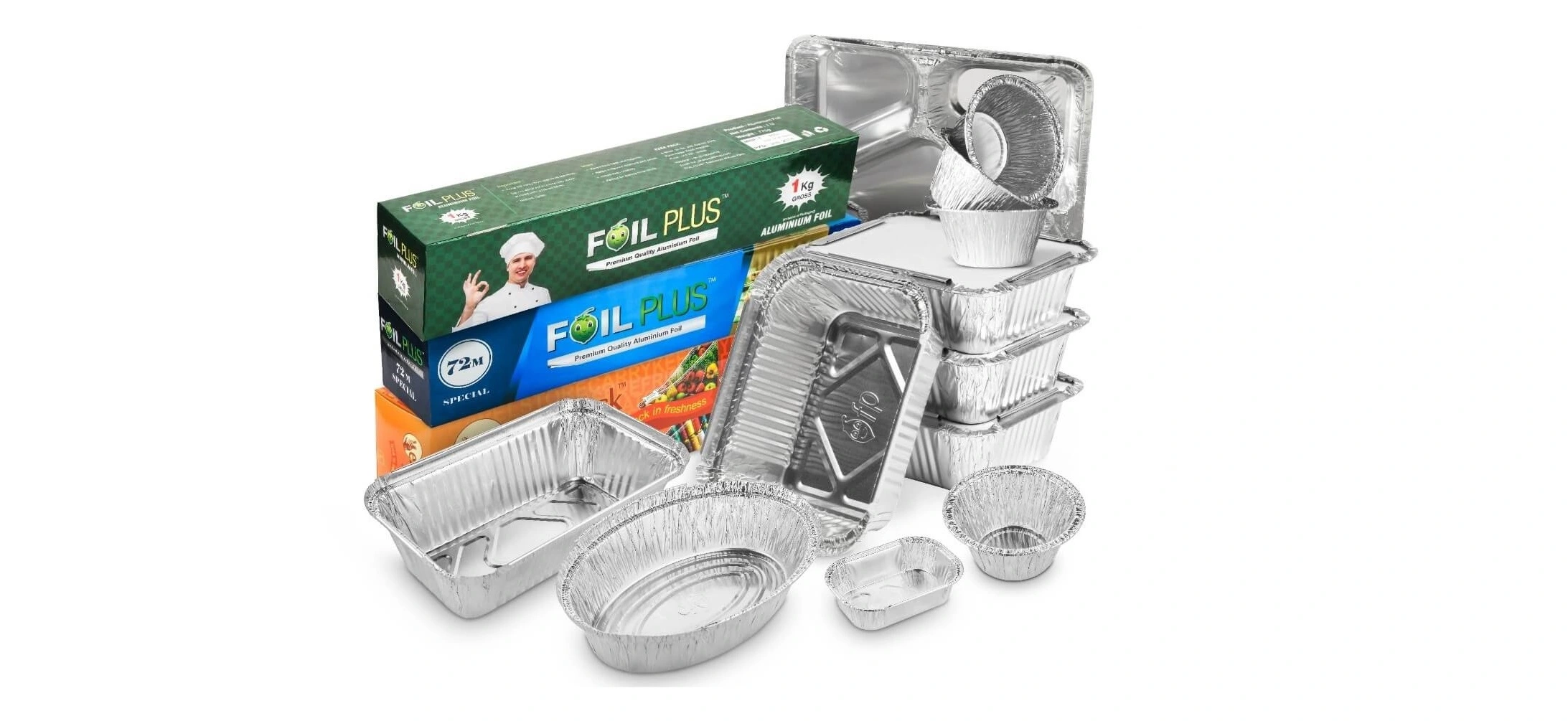
If you are ready to make the shift, explore our range of aluminium foil containers designed for professional food operations of every scale.
Enjoyed this fresh perspective? Want to bring behavioral insights into your product, brand, or kitchen?
Get in touch here