Introduction
Ever opened a food parcel and thought, “Why is this cold already?” Or the opposite, “How is this still warm?” So, for this, half the credit or blame goes to the packaging.
We don’t think about it much, but it quietly controls temperature retention and freshness more than cooks and delivery guys combined.
Food behaves based on what it sits inside. Some materials trap heat. Some leak it. Some lock in moisture, some let things dry out too fast.
Freshness? Same story. Air, moisture, light, bacteria, they all attack food. Packaging simply stands guard.
What Are the Types of Food Packaging Materials?
Different foods need different types of protection. Here’s the regular stuff we see, with the scientific reason behind each.
Plastic
Plastic is the most common household name. It's cheap. It's flexible. And, it's sturdy enough for transport.
You’ll see PET bottles for juices and soft drinks. HDPE jugs for milk. Trays. Wraps. Films. It bends and stretches into almost anything. That’s why companies rely on it.
But the waste issue? That's pretty hard to ignore now. So there’s a growing shift toward recyclable and bio-based plastic options.
Paper and Cardboard
People love these because they feel eco-friendly. And yes, they’re renewable and light. We can see them everywhere from cereal boxes, bakery boxes, pizza boxes, to takeout bags.
They're easy to print and branding on. But once moisture enters, paper loses its confidence pretty quickly. Also, if it has a plastic laminate, recycling becomes complicated.
Metal
Metal packaging, mainly aluminum and steel, acts like a “don’t touch me” wall. It stops light, oxygen and moisture completely. That’s why canned foods last so long.
Aluminum is 100% recyclable, so a lot of brands use it for drinks and heat-and-eat trays. It’s lighter than steel, which helps with shipping.
Glass
Glass is a clean and mess-free option. It doesn’t react. It doesn’t absorb smell. It keeps flavors intact. You see the food through it, which people love.
But it’s heavy and breaks easily. It's still the go-to for pickles, sauces, juices, and items that need purity.
Ceramics and Cellulose
Ceramics show up for specialty foods, mostly where heat resistance matters. Cellulose films from wood pulp are showing up more now.
They’re compostable and good for dry foods. It's a small but growing alternative to conventional plastic.
Want your food to be safe and protected through effective packaging?
You're at the right palce

How Packaging Influences Food Temperature Retention?
The hot parathas that you pack remains warm even after hours. Why? The packaging slows down heat escape. That’s the big trick.
Here’s how it works:
- Low thermal conductivity: Foam boxes, insulated cups, double-layer containers trap air. Air is a natural insulator, so heat stays inside longer.
- Heat reflection: Shiny materials like aluminum foil bounce heat back toward the food. That’s why foil-wrapped rotis and rolls stay warm.
- Good sealing: A tight seal means less warm air escaping and less cold air entering. Loose lids kill temperature fast.
- Moisture control: Temperature shifts create condensation. Good packaging tries to limit this so food doesn’t turn soggy or dry out.
Basically, packaging slows down the “outside world vs. food” fight. That’s it.
How Packaging Influences food freshness?
Freshness has enemies like oxygen, moisture, light, heat, bacteria. Good packaging blocks these without advertising it.
A few quick ways it works:
- Oxygen control: Too much oxygen means color changes, off smells, and nutrient loss. So airtight packs, vacuum sealing, or modified atmosphere packaging (MAP) help maintain freshness.
- Moisture balance: Snacks need low moisture. Meat and produce need controlled moisture. So, pads, vents, barriers, each helps depending on the food.
- Light protection: Vitamins break down under light. Colors fade. Hence opaque milk bottles, darker yogurt containers, and foil wraps are commonly used.
- Physical protection: Crushing, contamination, leaks are common among food materials. Hence, packaging shields against all that. Seals, zip locks, heat-sealed films hold everything in place.
- Temperature stability: Cold products stay fresh only if kept cold. Some packaging supports that by regulating air exposure.
Freshness is basically a maintenance job. Packaging is the maintenance guy.
What Is The Right Kind of Food Packaging to Keep Food Safe?
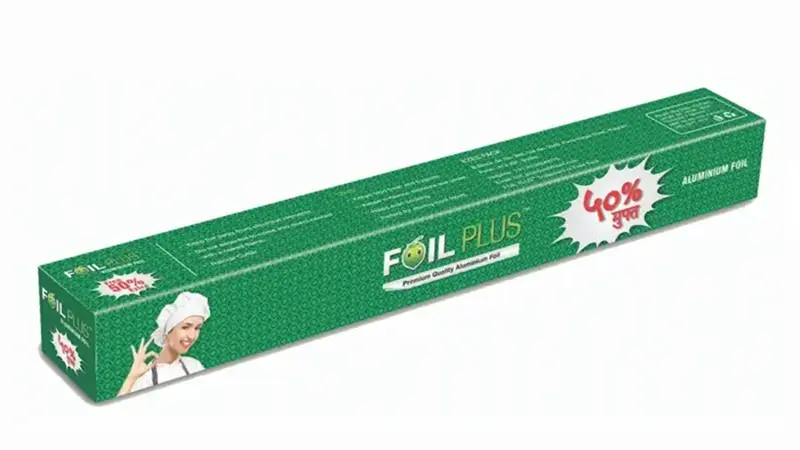
Honestly, for most home and takeaway use, people end up trusting aluminum foil and aluminium foil containers. Simple. Safe. Predictable. Works with almost any food.
Why it’s reliable:
- Blocks moisture, oxygen, light, and external smells.
- Keeps natural aroma and taste in place.
- Non-toxic and doesn’t react with most foods.
- Handles high heat of oven, grill, freezer without any issue.
- Easy to fold, wrap, mold or turn into a container.
- Keeps surfaces clean when used for lining trays.
How's the environment benefitted from this? Let's see.
- Aluminum is endlessly recyclable.
- Recycling uses only about 5% of the energy needed to make new aluminum.
- Lightweight means cheaper transport & less emissions.
- Foil containers often last through multiple uses.
It’s one of those materials that fits into cooking, storing, delivery, and reheating without causing trouble.
Conclusion
Good food packaging decides how food tastes, feels, and lasts by the time you open it. Whether it’s plastic, cardboard, glass, metal, or simple aluminium foil containers, each plays a role in keeping food fresh, safe, and at the right temperature.
The right packaging doesn’t try to impress, it just quietly protects your meal every step of the way.
Enjoyed this fresh perspective? Want to bring behavioral insights into your product, brand, or kitchen?
Get in touch here