Why Food Businesses Lose Customers Before the First Bite
In many restaurants and cloud kitchens, packaging decisions are whipped up in five minutes.
One person brings samples. Another checks the price. The final verdict? “This is fine,” and voilà, the choice is made.
No back-and-forth. No taste tests. No long-term thinking. Fast forward a few months, and voilà! Problems start to bubble up.
Refunds rise. Ratings dive. Complaints about leakage flood in. Whispers of cold meals echo. Messages ring out: “Packing was bad.” Yet, somehow, no one connects these issues to that hasty five-minute assessment.
The Harsh Reality: Customers Never See Your Effort
Behind the kitchen doors, chaos reigns. Staff rushes, ingredients dance, hygiene checks twirl, and quality is king. Yet, none of this reaches the customer.
What they see is a solitary bag or box. That’s the whole show.
It may seem unfair, but that’s the way the cookie crumbles.
Why Packaging Problems Hurt More Than Bad Food
Sure, if the food is merely average, many customers are forgiving.
They think, "Maybe today just wasn’t perfect." There's always a next time.
But when packaging fails? That's a different story.
They think:
These folks don’t care. Soggy bags. Leaky curry. Broken lids. Trust evaporates faster than steam from a hot meal.
Most kitchens heavy on refunds aren't faltering in their cooking; they're stumbling in containment.
Restaurants, Cloud Kitchens, and Caterers Are Playing Different Games
A dine-in restaurant with some delivery can skate by with mediocre packaging. Customers still relish in-person experiences.
But a cloud kitchen? That’s a different ballgame.
In a cloud kitchen, packaging is the sole ambassador. No second chances, no smiling servers, no inviting ambience only food and a box.
That’s why many cloud kitchens crumble, even when the food is decent. The experience often feels like it’s missing a beat.
Caterers, while delivering, face another dilemma. When serving 200 plates, tiny missteps multiply. One flimsy container equals ten ruined meals.
They need strength more than style. Yet, too many just mimic competitors’ choices. That’s a miscalculation.
That’s why caterers handling volume often lean toward standardized aluminum containers uniform sizes, predictable sealing, and zero surprises when the count hits 200.
Upgrade Your Food Packaging for Reliable Delivery
Strong, leak-proof aluminum containers built for restaurants, cloud kitchens & caterers.

Materials Are Chosen Emotionally, Not Technically
Customers don’t delve into material science.
Instead, they react emotionally. Paper feels light and fresh. Plastic feels robust yet cheap. Bagasse feels upscale. Aluminum conveys seriousness. That’s the lowdown.
Debate specs? Customers won’t engage. If oily food seeps through a paper container, they’re not saying “wrong coating.” They’re saying “bad restaurant.” Material choice shapes perception before taste ever enters the picture.
This is where aluminum quietly earns its place.
Not because it looks fancy, but because it behaves predictably. Curries stay contained. Gravies don’t travel. Heat doesn’t escape in five minutes.
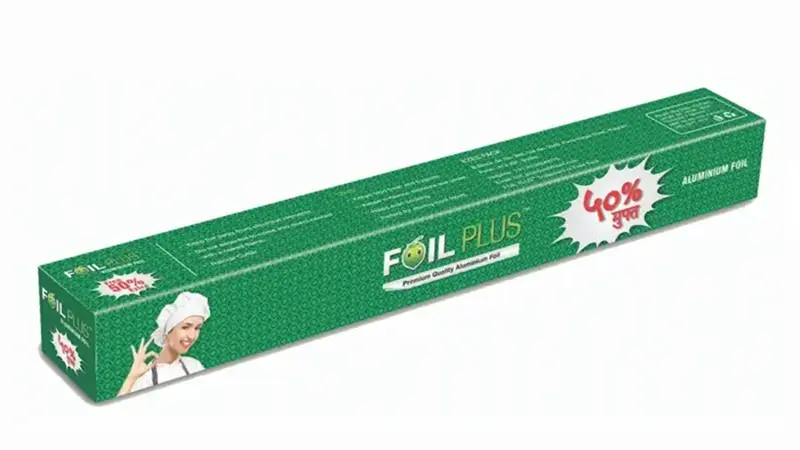
That’s why many delivery-first kitchens default to solutions like aluminum containers from FoilPlus.
Leakage Is Not a Small Issue. It’s a Brand Killer
Just ask any delivery-focused brand what stings the most. It’s not competition. It’s spillage. It’s messy and mood-dampening.
Customers open that bag, see a disaster, and immediately their mindset sours. Even the tastiest dish loses its charm. Savvy brands treat leakage not as an accident but a defect.
They test containers rigorously. They over-seal. They keep liquids separated. They train staff thoroughly. They ensure leaks are a ghost of the past.
Many high-volume kitchens solve this by adding one extra layer of certainty wrapping liquid-heavy containers with aluminum roll before sealing the outer bag. It’s not glamorous, but it prevents the one thing customers never forgive: a mess.
Temperature Is What Customers Remember
Inquire about a customer’s last order.
You rarely hear, "The spice balance was pitch-perfect!" Instead, you hear, "The food was cold," or "The food was piping hot."
That’s memory in a nutshell.
Hot food feels fresh and inviting. Cold food? That’s yesterday’s leftovers. Packaging controls temperature better than cooking alone. Thin boxes bury warmth; sturdy containers preserve it. For desserts, moisture is the nemesis.
Soggy brownies. Wet pastries. Wrecked cakes. All packaging faux pas.
Most Brands Waste Their Packaging Branding Opportunity
People drop lakhs on ads but forget the box arriving at homes daily. A simple sticker? Pennies. A printed sleeve? A trifle. A thank-you card? Chump change.
Yet, these items linger on tables, in homes, even in the dustbin—marking memories.
Elevated packaging branding fosters familiarity quietly. No shouting, no discounts—just a consistent presence.
Hygiene Signals Are Read Instantly
Customers scan for signals:
Is the seal broken? Is the lid loose? Is the container pristine? They need no reports. Decisions form in seconds. If packaging looks careless, hygiene gets questioned. Once that trust frays, the game is over.
That’s why many kitchens add a final hygiene layer. A simple clean wrap over containers signals intent. It reassures customers that the food hasn’t been disturbed after packing, even before they open the box.
Cheap Packaging Is Usually the Most Expensive
Many owners think:
“Let's save ₹2 per box.”
Then, they lose ₹200 on refunds. Next, ₹500 for scathing reviews. Regrettably, they also lose a once-loyal customer.
Packaging isn’t the place for cost-cutting; it’s where you chase the lowest failure rate.
Sustainability Needs Logic, Not Emotion
Yes, customers cherish eco-friendly packaging. But diving headfirst into expensive materials without a plan can crack margins. Smart brands begin with small steps.
Start modestly. Test reactions. Scale gradually. Communicate clearly. Otherwise, your efforts fall flat.
Serious Kitchens Systemize Packaging
Growing brands don’t leave packaging to chance.
They map it out.
This dish → this box. This curry → this seal. This order → this bag.
Staff follows the system, not whims. That’s how they scale successfully. However sauces, chutneys, cutlery, and add-ons follow their own rules. Many kitchens separate them into zip lock bags to avoid cross-leakage and confusion. It keeps orders neat and reduces last-mile mess.
Conclusion: Packaging Is Part of the Recipe Now
Once, recipes ended in the pan. Now, they culminate in the box. If packaging falters, so does the recipe.
Simple as that. Restaurants that grasp this early soar to success. Others stumble through refunds, ratings, and reputation woes. Not because their food is subpar, but because the box let them down.
For kitchens building delivery at scale, packaging partners matter. Brands like FoilPlus focus on aluminum solutions that kitchens can rely on daily without redesigning workflows or retraining teams.
Enjoyed this fresh perspective? Want to bring behavioral insights into your product, brand, or kitchen?
Get in touch here